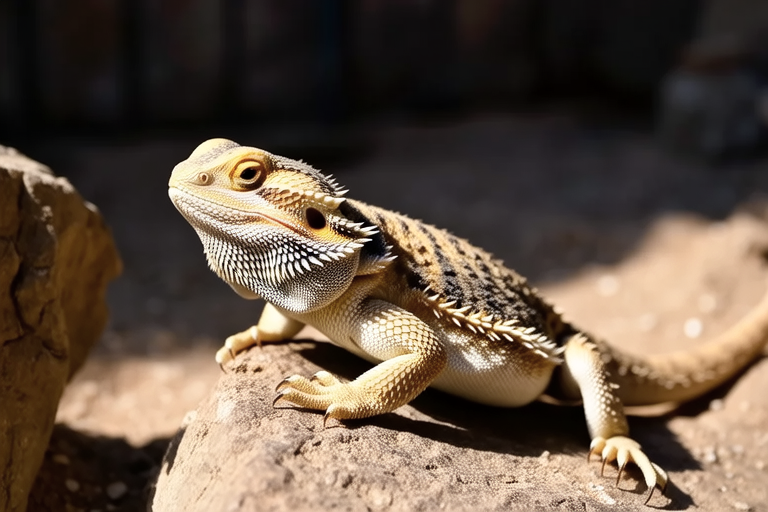
Bearded Dragon Behavior Decoded: What Their Actions Really Mean!
Welcome to the fascinating world of bearded dragons! These captivating reptiles are known for their unique behaviors that can tell us a lot about their mood, health, and intentions. In this article, we’ll decode the most common behaviors of bearded dragons, helping you understand your pet better and strengthen your bond with them.
Understanding Body Language: The Basics
Before diving into specific behaviors, it’s important to understand that bearded dragons communicate primarily through body language. This includes movements, postures, and even color changes. By paying close attention to these signals, you can gain valuable insights into your dragon’s well-being and emotional state.
Puffing Their Beards: A Sign of Aggression or Fear?
One of the most noticeable behaviors in bearded dragons is the puffing out of their throat area, often referred to as ‘beard puffing.’ This action is usually accompanied by darkening of the beard area. When your bearded dragon puffs its beard, it could be displaying aggression, especially towards other dragons or potential threats. However, it might also be reacting to fear or feeling threatened. Understanding the context in which this behavior occurs is crucial for interpreting its meaning accurately.
Changing Colors: Mood Rings of the Reptile World
Bearded dragons have the remarkable ability to change the color of their skin. This ability is particularly evident when they feel stressed, excited, or even sick. Darker shades like black or brown may indicate stress or discomfort, while brighter colors suggest excitement or happiness. Keep an eye on these color changes; they can serve as early warning signs of underlying issues that need attention.
Basking Habits: Sun Worshipers
Basking is a critical part of a bearded dragon’s daily routine. They require ample exposure to UVB light to synthesize vitamin D3, which aids in calcium absorption. If your dragon spends excessive time basking, it might be seeking warmth or trying to regulate its body temperature. Conversely, if it avoids basking areas, it could signal illness or discomfort. Ensure that your dragon has access to appropriate basking spots at different temperatures to meet its needs.
Head Bobbing: Male Displays of Dominance
Head bobbing is a behavior typically exhibited by male bearded dragons, though females may occasionally display this behavior too. Rapid up-and-down movements of the head are often seen during courtship or when establishing dominance over other males. This action is a way for males to assert their presence and attract potential mates. Observing head bobbing can provide clues about the social dynamics within your dragon’s environment.
Arm Waving: A Greeting or Submission Gesture?
Another intriguing behavior is arm waving, where the dragon slowly waves one of its front legs in a circular motion. This gesture is commonly interpreted as a sign of submission, especially when directed at larger or more dominant individuals. However, some experts believe it could also be a friendly greeting or a way to attract attention. Encouraging gentle interactions with your dragon can help reinforce positive associations with this behavior.
Other Notable Behaviors: Tail Twitching, Eye Bulging, and More
In addition to the behaviors mentioned above, there are several other actions worth noting. For instance, tail twitching can indicate excitement or nervousness, while eye bulging might suggest discomfort or pain. It’s essential to observe your dragon closely and note any unusual behaviors that persist over time. Consulting with a veterinarian experienced in reptile care can provide further guidance if you’re unsure about what certain behaviors mean.
Recognizing Signs of Stress or Illness Through Behavior Changes
Changes in behavior can sometimes signal stress or illness in bearded dragons. Sudden alterations in appetite, activity level, or interest in environmental enrichment might warrant closer examination. Additionally, look out for signs such as lethargy, difficulty moving, or unusual shedding patterns. Early detection and intervention are key to maintaining your dragon’s health and happiness.
Responding Positively to Your Pet’s Behaviors
Interacting with your bearded dragon in response to its behaviors can greatly enhance your relationship. For example, offering treats during periods of excitement or playfulness can reinforce positive experiences. Similarly, providing comfort and reassurance when your dragon appears stressed can help alleviate anxiety. Always approach your dragon gently and respect its personal space to build trust.
By learning to interpret your bearded dragon’s behaviors, you can better understand its needs and improve its quality of life. Remember, each dragon is unique, so take the time to get to know your pet’s individual quirks and preferences. With patience and care, you’ll develop a strong bond based on mutual understanding and affection.
We hope this guide has provided valuable insights into decoding your bearded dragon’s behaviors. Happy petting and enjoy the journey of bonding with your scaly friend!
